Red for the bricks
The name has nothing to do with politics: it comes from the red brick of the facade, a nod to the brick architecture of northern Germany.
Berlin's mayor works in this red-brick building near Alexanderplatz, and its walls tell the city's history in clay. Here's what you're looking at, and what to listen for when you get there.
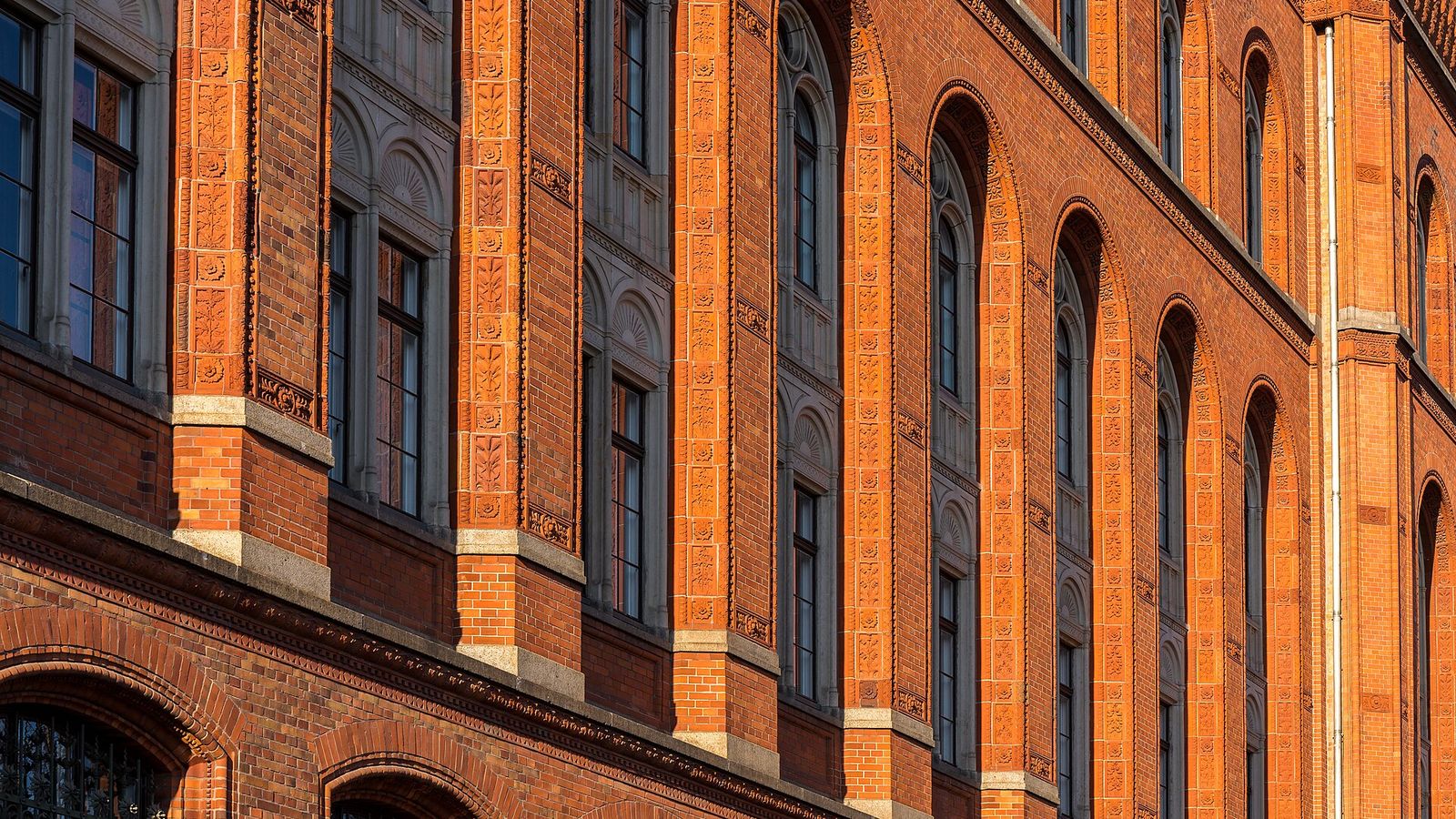
The name has nothing to do with politics: it comes from the red brick of the facade, a nod to the brick architecture of northern Germany.
Around the first floor runs the "stone chronicle", 36 terracotta panels showing Berlin's story from its founding to the German Empire of 1871.
In divided Berlin, this was East Berlin's city hall, while West Berlin was governed from Rathaus Schöneberg, where Kennedy said "Ich bin ein Berliner".
Because of its red brick facade, not because of politics.
It's the seat of Berlin's Governing Mayor and the Senate.
Between 1861 and 1869, designed by Hermann Friedrich Waesemann.