Why the rich came here
Yellow fever hit the south of the city hard in 1871. Wealthy families moved to higher ground in the north, around Recoleta, and built their family vaults here.
Opened in 1822 next to a Recollect friars' church, Recoleta Cemetery became the city's most prestigious resting place after epidemics drove wealthy families north in the 1870s. Its streets of marble vaults look like a small city.
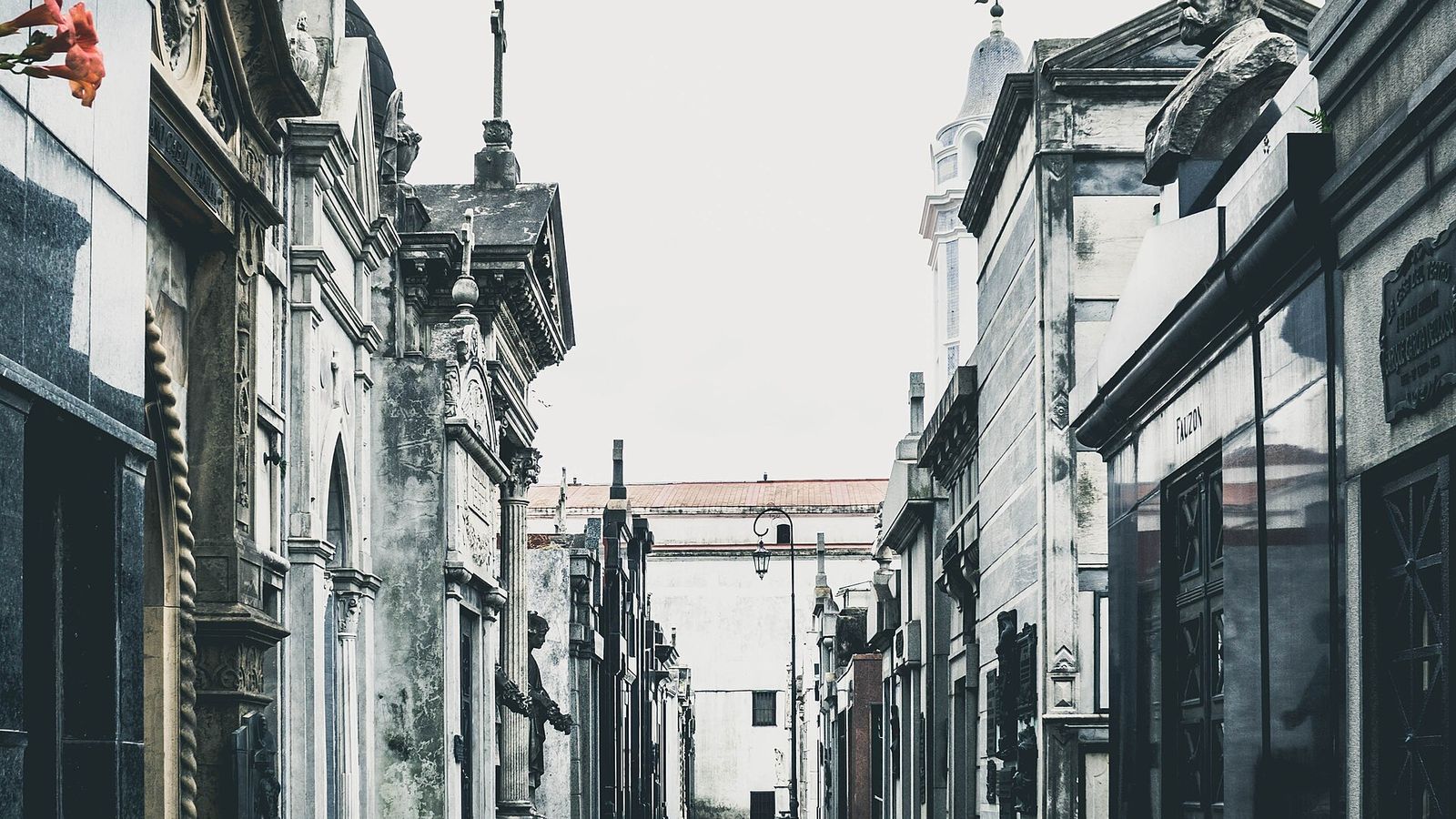
Yellow fever hit the south of the city hard in 1871. Wealthy families moved to higher ground in the north, around Recoleta, and built their family vaults here.
Eva Perón is buried in the Duarte family vault, after her body had been moved around for years following the 1955 coup. Fresh flowers are usually left at the door.
Some tombs come with legends, like Rufina Cambaceres, a young woman said to have been buried alive in 1902. Treat these as legends: what's certain is the art, from angels to Art Deco doors.
Presidents, scientists, writers and military leaders, and most famously Eva Perón, in the Duarte family vault.
It opened in 1822 as the city's first public cemetery, on land next to the Recollect friars' church.
Entry rules and prices have changed over the years; check the city's official information before you go.