Meant for science
Charles III commissioned the building for natural history. Plans changed, and his grandson Ferdinand VII, encouraged by Queen Maria Isabel of Braganza, opened it as a royal museum of painting and sculpture in 1819.
Juan de Villanueva's building was designed in the 18th century as a natural history cabinet. It opened in 1819 as a museum for the Spanish royal collection, and today holds the world's greatest collections of Velázquez and Goya.
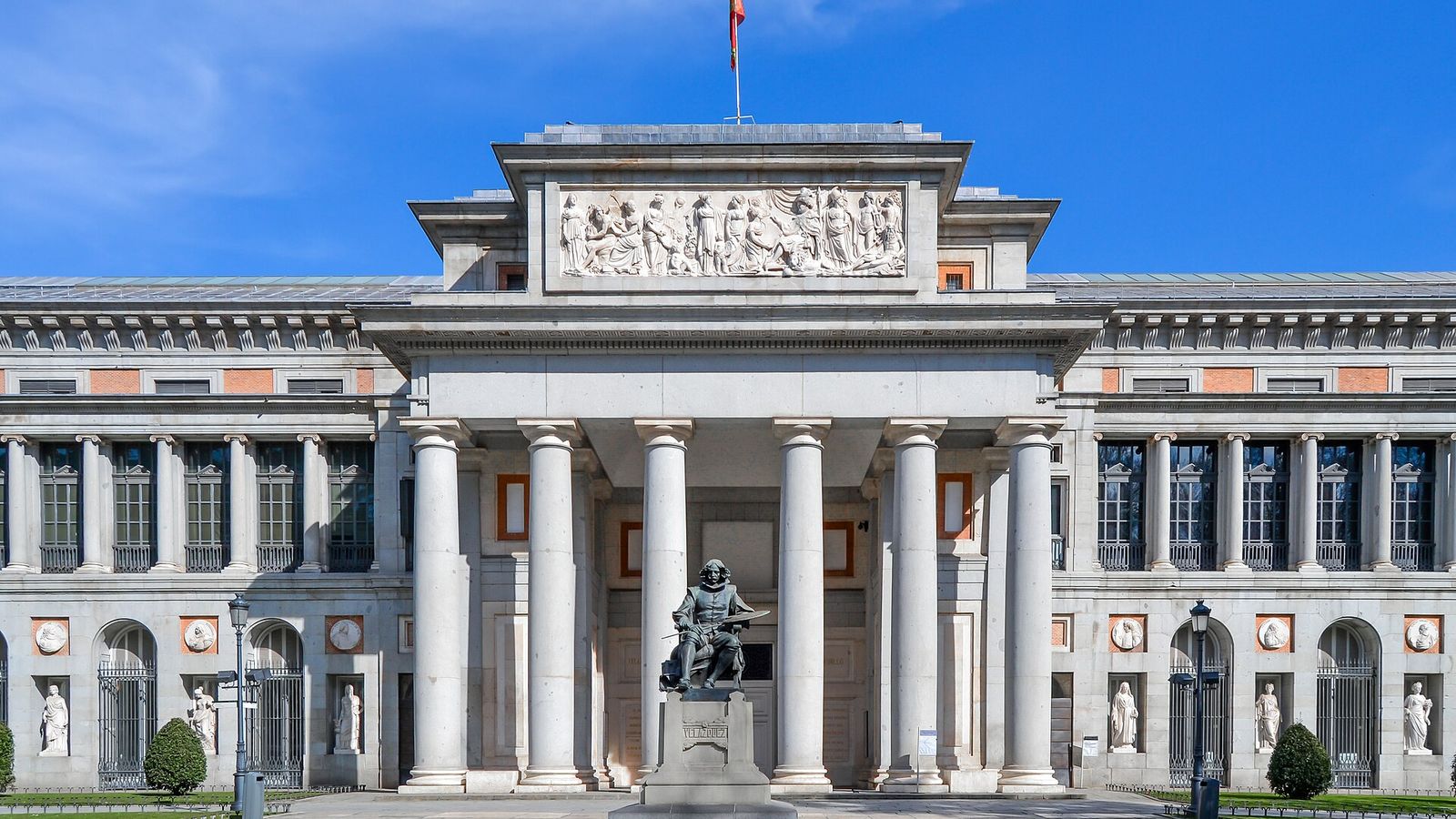
Charles III commissioned the building for natural history. Plans changed, and his grandson Ferdinand VII, encouraged by Queen Maria Isabel of Braganza, opened it as a royal museum of painting and sculpture in 1819.
The collection wasn't bought to cover all of art history. It's what Spanish kings collected, which is why it's so rich in Velázquez, Goya, El Greco, Titian and Rubens.
Goya painted the dark scenes known as the Black Paintings on the walls of his own house. They were later moved to canvas and are now in the Prado.
In the last two hours of opening on most days. Check the official site for current times.
Velázquez's Las Meninas, along with Goya's Black Paintings and Bosch's Garden of Earthly Delights.
In 1819, as the Royal Museum of Painting and Sculpture. It became national property after the revolution of 1868.