Built to be taken down
Gustave Eiffel's company got a permit for 20 years. When it was due to expire in 1909, the tower survived because it had become a giant radio antenna, too useful for the army to dismantle.
Built in two years for the 1889 World's Fair, hated by half of artistic Paris and due to be taken down after 20 years, the tower was saved by a radio antenna. Here's what you're looking at, and what to listen for when you get there.
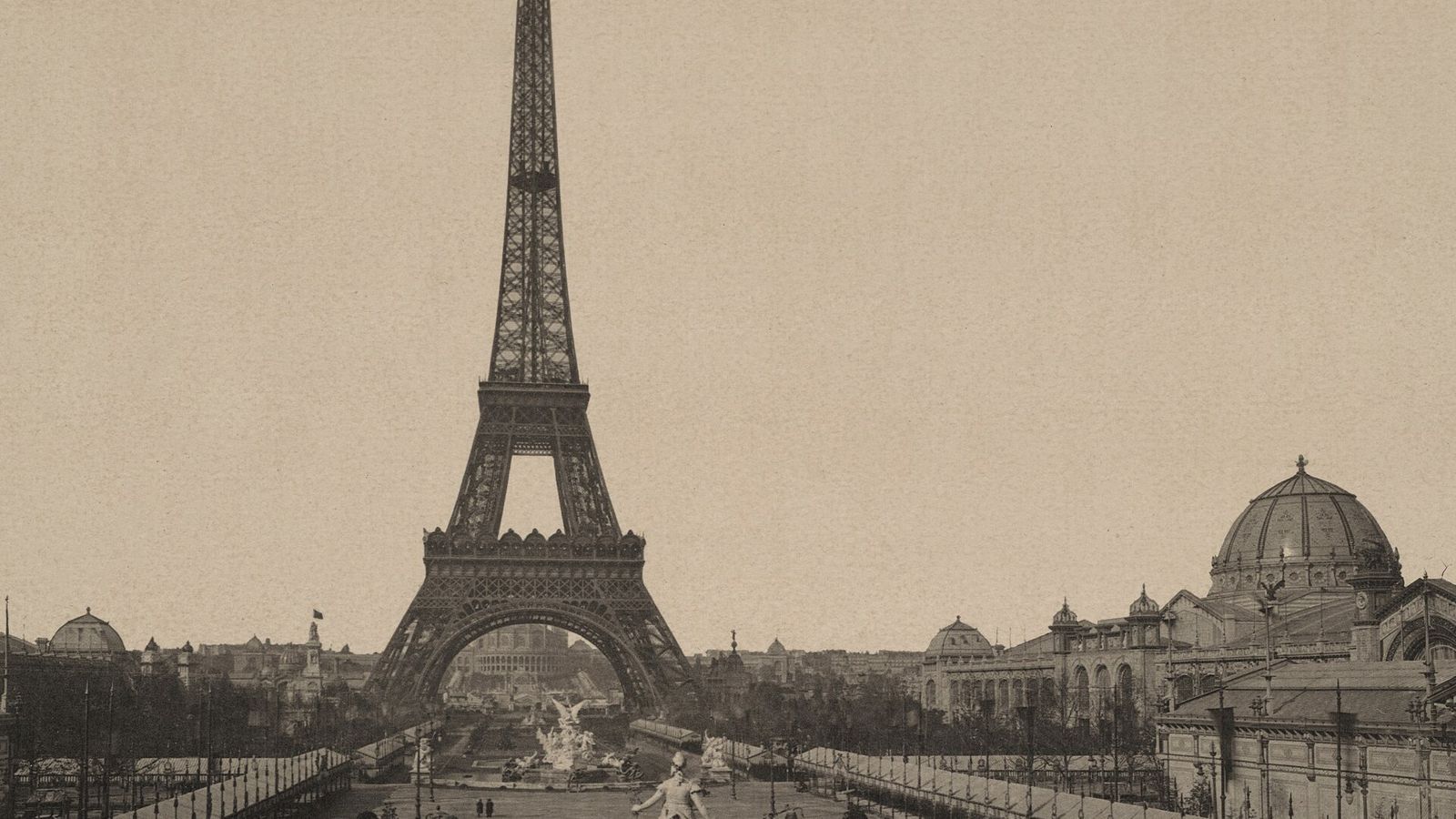
Gustave Eiffel's company got a permit for 20 years. When it was due to expire in 1909, the tower survived because it had become a giant radio antenna, too useful for the army to dismantle.
Eiffel had the names of 72 French scientists and engineers painted in gold around the tower, just below the first platform. They were painted over in the early 1900s and restored in the 1980s.
During the German occupation the elevators stopped working. The story goes that the French cut the lift cables so that Hitler, who visited Paris in June 1940, would have had to climb the stairs. He stayed on the ground.
As the entrance arch and showpiece of the 1889 World's Fair, marking 100 years since the French Revolution.
Yes. It had a 20-year permit. It was kept because it was useful for radio and military communications.
About 330 meters today including antennas; it was 312 meters when it opened in 1889.