Started on a lucky number
Charles IV is said to have laid the first stone at 5:31 am on 9 July 1357, chosen by astrologers because the date and time read as a palindrome: 1-3-5-7-9-7-5-3-1. Historians can't confirm it, but Prague loves the story.
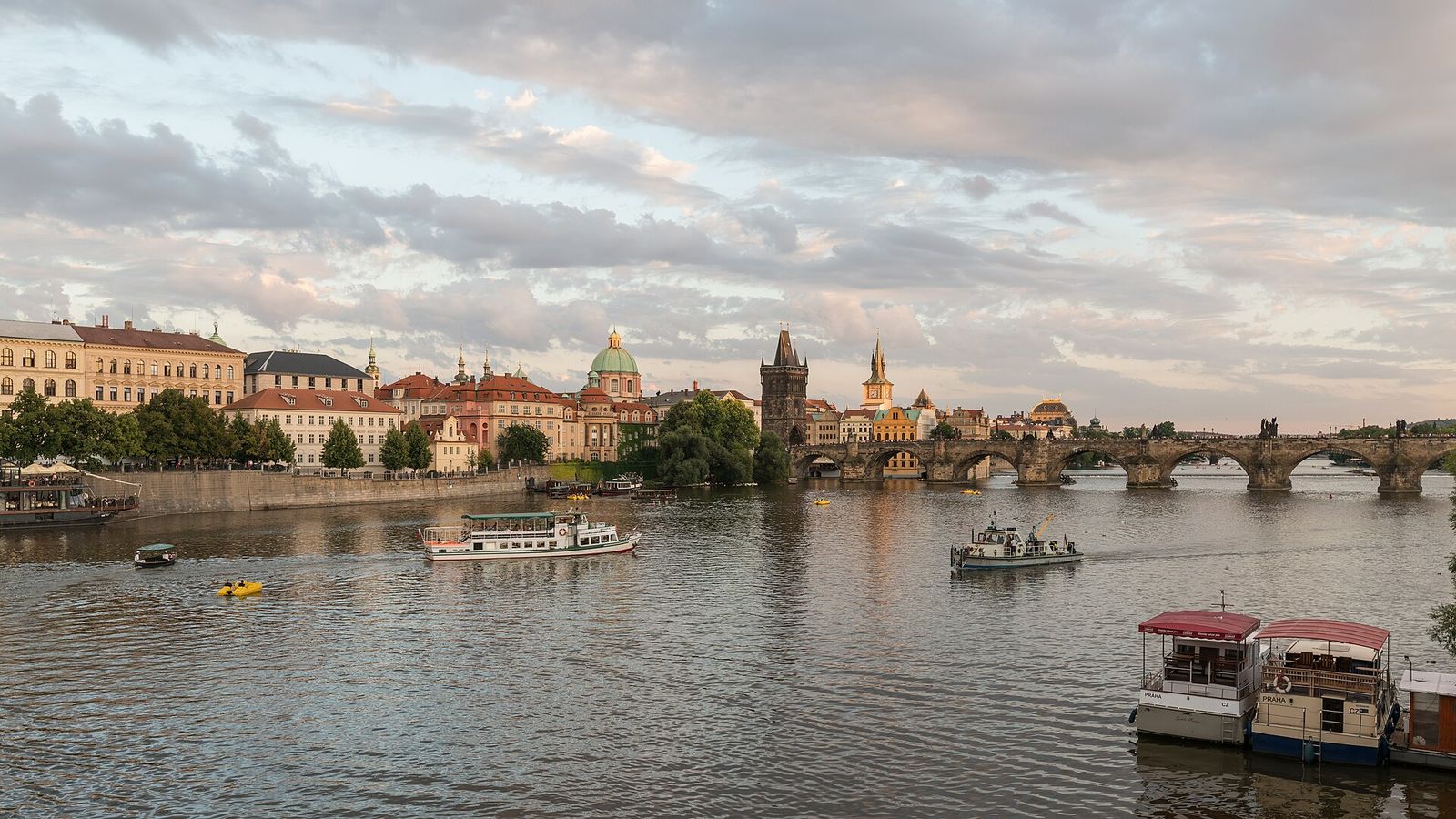
For 450 years this was the only bridge across the Vltava in Prague. It's lined with 30 statues and one very polished plaque. Here's what you're looking at, and what to listen for as you cross it.
Charles IV is said to have laid the first stone at 5:31 am on 9 July 1357, chosen by astrologers because the date and time read as a palindrome: 1-3-5-7-9-7-5-3-1. Historians can't confirm it, but Prague loves the story.
It replaced the Judith Bridge, washed away by a flood in 1342, and stayed the city's only crossing of the Vltava until 1841. It was simply called the Stone Bridge until 1870.
The statue of St John of Nepomuk marks the story of the priest thrown into the river in 1393. Legend says he refused to tell King Wenceslas IV what the queen had said in confession. Touching the bronze plaque below is supposed to bring you back to Prague, which is why it shines.
Construction began in 1357 under Charles IV and was finished in the early 15th century.
The bronze plaques under the statue of St John of Nepomuk are said to bring good luck and a return to Prague.
Early morning, before 7 am, before the crowds and stalls arrive.