Paid for by spices
Construction began in 1501, soon after Vasco da Gama returned from India, and was funded largely by a tax on the spices arriving from the East.
The great monument of Portugal's Age of Discoveries, funded by the spice trade and home to the tombs of Vasco da Gama and Luís de Camões. Here's what you're looking at, and what to listen for when you get there.
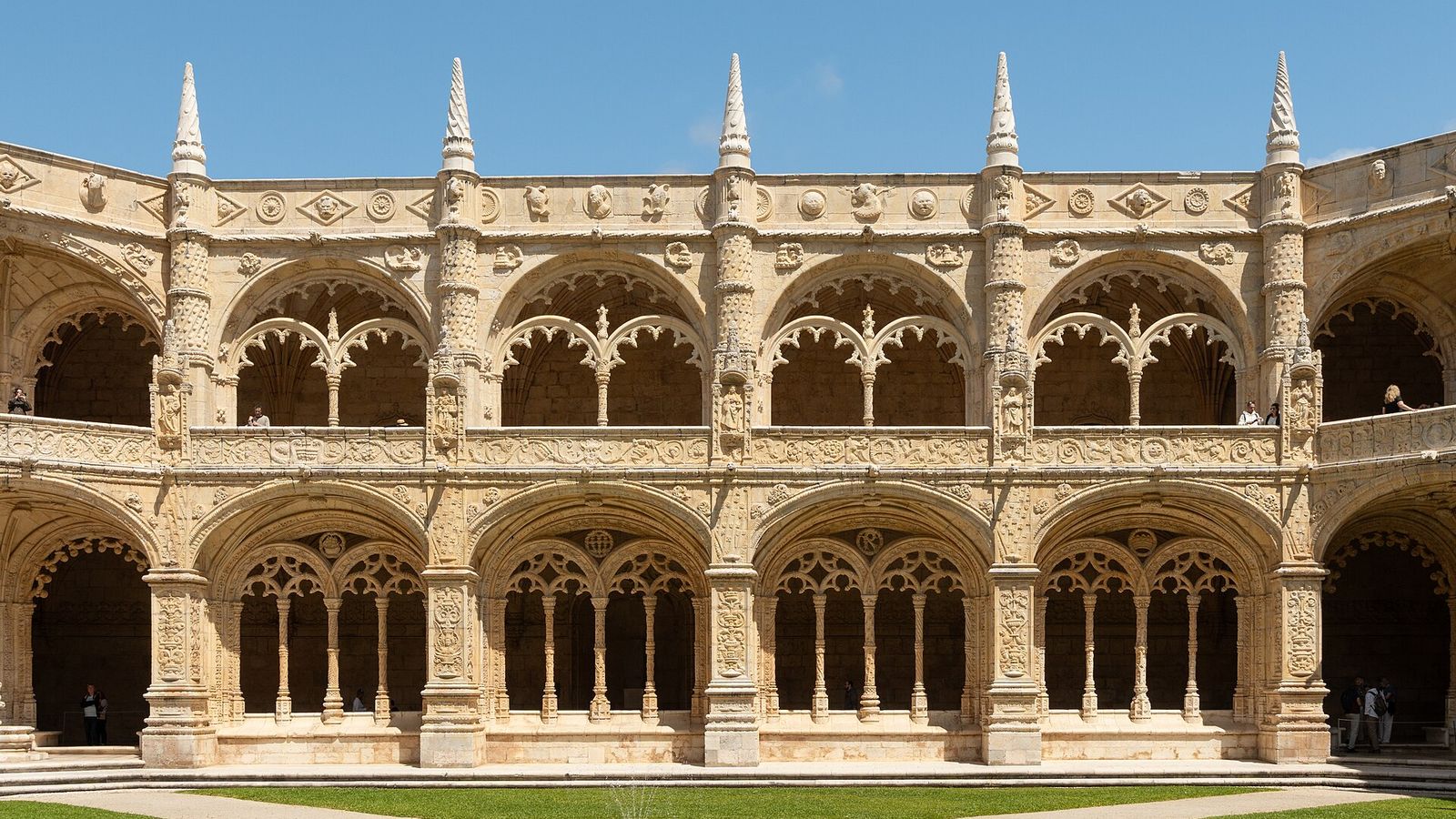
Construction began in 1501, soon after Vasco da Gama returned from India, and was funded largely by a tax on the spices arriving from the East.
The Hieronymite monks who lived here prayed for the crews setting out from the Restelo beach nearby on their long voyages.
Inside the church are the tombs of Vasco da Gama and of Luís de Camões, the poet who told the story of da Gama's voyage in The Lusiads.
Vasco da Gama and the poet Luís de Camões have tombs in the church, alongside kings of the Avis dynasty, including Manuel I.
King Manuel I founded it to celebrate Portugal's sea voyages; the building began in 1501, after Vasco da Gama's return from India.
Yes, it came through with little damage, one of the few great buildings in Lisbon that did.